
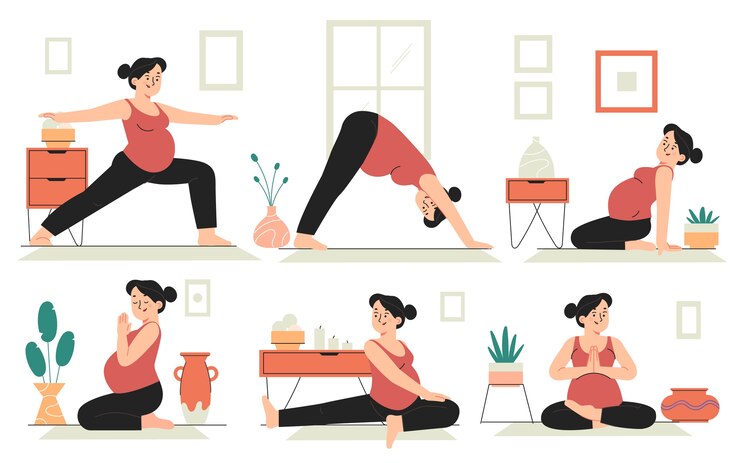
Pregnancy is a beautiful journey, but it can also bring along various challenges such as aches, pains, and sleep disturbances. Incorporating prenatal exercises into your routine can help alleviate these issues and ensure a healthier, more comfortable pregnancy. Here’s a comprehensive guide on the importance of prenatal exercises and how they can benefit you during this special time.
Why Are Prenatal Exercises Important?
Prenatal exercises offer numerous benefits that can enhance your overall well-being during pregnancy:
- Improved Sleep: Regular exercise can help regulate your sleep patterns, making it easier to fall asleep and stay asleep.
- Strengthened Muscles: Exercises help in building and maintaining muscle strength, which is crucial for carrying the additional weight of your growing baby.
- Enhanced Heart and Lung Health: Cardiovascular exercises improve the efficiency of your heart and lungs, providing better oxygen supply to both you and your baby.
- Reduced Aches and Pains: Physical activity can alleviate common pregnancy discomforts such as back pain, pelvic pain, and leg cramps.
- Mental Well-being: Exercise releases endorphins, which can help reduce stress and anxiety, promoting a positive mental state.
Safe and Effective Prenatal Exercises
Before starting any exercise regimen, it is essential to consult with your healthcare provider. Once you have the go-ahead, here are some safe and effective exercises to incorporate into your routine:
1. Walking
Walking is a simple and effective way to stay active during pregnancy. It helps in maintaining cardiovascular health without putting too much strain on your joints.
Tips:
- Wear comfortable shoes with good arch support.
- Maintain a moderate pace and avoid overexertion.
- Aim for 30 minutes of walking most days of the week.
2. Swimming
Swimming and water aerobics are excellent for pregnant women as the water supports your weight, reducing the risk of injury and strain.
Benefits:
- Strengthens muscles without putting pressure on your joints.
- Reduces swelling and improves circulation.
- Provides a sense of relaxation and buoyancy.
3. Prenatal Yoga
Prenatal yoga focuses on gentle stretching, breathing exercises, and relaxation techniques.
Benefits:
- Enhances flexibility and strength.
- Promotes relaxation and stress relief.
- Helps in preparing the body for labor and delivery.
Tips:
- Look for classes specifically designed for pregnant women.
- Avoid poses that involve lying on your back or require deep twisting.
4. Pelvic Floor Exercises (Kegels)
Pelvic floor exercises help strengthen the muscles that support the bladder, uterus, and bowels.
Benefits:
- Helps in controlling urinary incontinence.
- Supports the pelvic organs during pregnancy and after delivery.
- Reduces the risk of pelvic floor disorders.
How to Perform Kegels:
- Tighten the muscles around your vagina and anus as if you’re trying to stop the flow of urine.
- Hold for 5-10 seconds and then relax for the same amount of time.
- Repeat 10-15 times, three times a day.
5. Strength Training
Light strength training can help maintain muscle tone and build endurance.
Tips:
- Use light weights or resistance bands.
- Avoid heavy lifting and exercises that involve lying on your back after the first trimester.
- Focus on exercises that target the arms, legs, and back.
General Guidelines for Prenatal Exercise
- Stay Hydrated: Drink plenty of water before, during, and after exercise.
- Avoid Overheating: Exercise in a cool environment and avoid intense workouts in hot weather.
- Listen to Your Body: Pay attention to how you feel and stop if you experience pain, dizziness, or shortness of breath.
- Warm-Up and Cool Down: Always start with a warm-up to prepare your body and end with a cool-down to relax your muscles.
Conclusion
Incorporating prenatal exercises into your daily routine can significantly improve your physical and mental well-being during pregnancy. Not only will it help in managing weight, reducing aches and pains, and strengthening muscles, but it will also promote better sleep and prepare your body for labor and delivery. Remember to consult with your healthcare provider before starting any new exercise regimen and listen to your body’s needs.